Bathroom Sliding Door Best Types for Your Home Needs?
When it comes to enhancing your bathroom, selecting the right Bathroom Sliding Door can make a significant difference. Expert designer Emily Richards emphasizes, "A well-chosen sliding door seamlessly combines functionality with style." This careful selection can optimize space and elevate aesthetics.
Bathroom Sliding Doors come in various styles, materials, and mechanisms, which can make the choice overwhelming. Each type offers unique advantages that cater to different homeowner needs. Traditional framed doors exude a classic charm, while frameless options provide a modern feel. However, finding the perfect balance between style and practicality is crucial.
Considering factors like space constraints and budget can lead to an ideal decision. Not every sliding door fits every bathroom type. A common mistake is overlooking the door's weight and installation requirements. Reflecting on these details ensures durability and ease of use while meeting your design preferences. Choosing wisely can transform your bathroom space effectively.
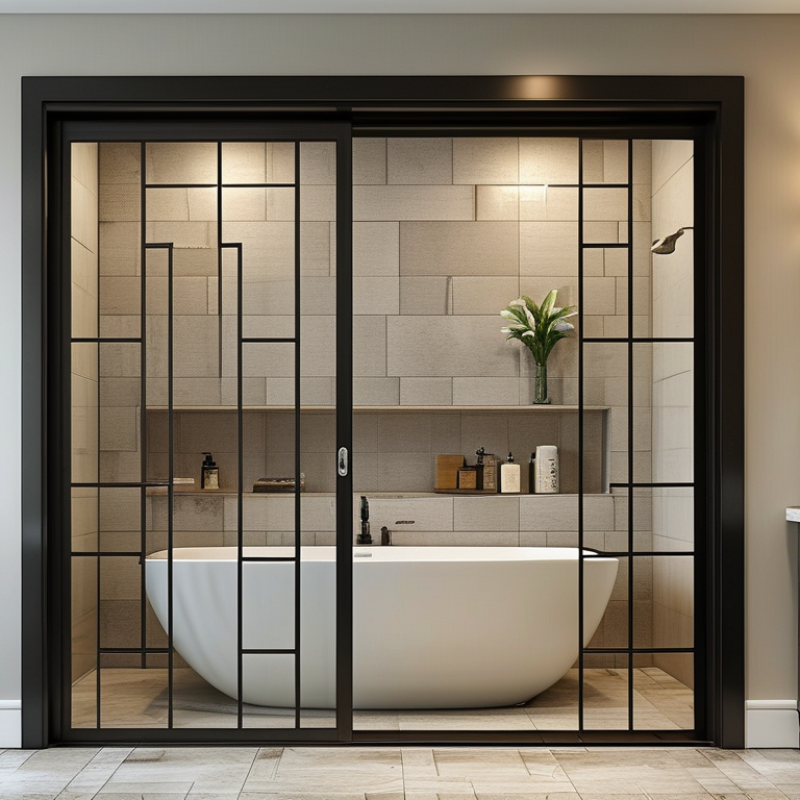
Choosing the Right Bathroom Sliding Door: Key Considerations
Choosing the right bathroom sliding door involves several key considerations. The material is crucial. Glass doors create a modern look but can be vulnerable to cracking. Wood doors offer a warm aesthetic, though they may warp in high humidity. Vinyl is durable and low-maintenance but lacks the elegance of other options. Think about how each material will interact with your bathroom environment.
Next, consider the size of the space. A door that is too wide can make your bathroom feel cramped. Conversely, a narrow door might not provide enough access for larger items. Measure your space accurately. This requires thoughtfulness. The track system matters too. Some systems are noisier than others. A smooth opening is essential for everyday comfort.
Don't overlook the door's style. Sleek finishes might look chic, but they can also show smudges easily. Consider a patterned design to hide imperfections. Reflect on how the door will integrate with the overall bathroom decor. Balancing functionality and aesthetics can be challenging. Trust your instincts on what feels right for your space.
Types of Bathroom Sliding Doors: A Comprehensive Overview
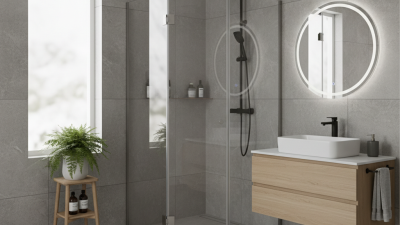
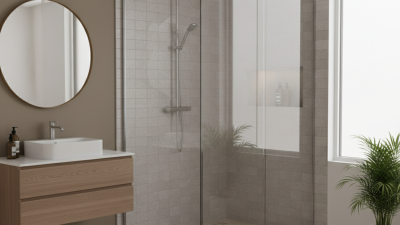
When choosing the best type of bathroom sliding door, it's crucial to consider available options. Glass doors are increasingly popular for modern homes, offering sleek aesthetics. They allow natural light to enhance the space, creating an illusion of a larger room. According to a report by the National Association of Home Builders, over 40% of new homes now feature glass doors in bathrooms, reflecting this trend.
Folding doors are another option, ideal for smaller bathrooms. These doors save space by folding to one side, allowing easy access without requiring a large swing radius. Industry data suggest that folding doors can increase usable floor area by up to 30%. However, they require meticulous installation to prevent potential issues with alignment over time.
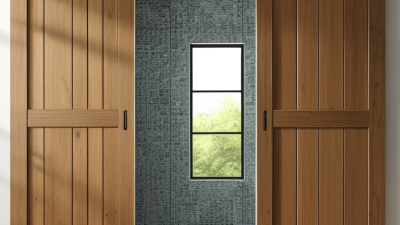
Wooden sliding doors provide warmth and a classic touch to any bathroom. They can be customized to match the interior style, enhancing overall design coherence. But it's essential to treat them with water-resistant finishes to prolong lifespan. Reports indicate that untreated wooden doors can suffer from moisture damage, making proper maintenance vital for durability.
Materials for Sliding Doors: Durability and Aesthetic Appeal
When selecting sliding doors for bathrooms, the materials play a pivotal role in both durability and aesthetic appeal. Glass sliding doors, for instance, are popular for their sleek look. They create an illusion of space and are relatively low maintenance. According to industry reports, over 60% of homeowners prefer glass doors due to their ability to enhance natural light in small areas. However, glass can be prone to breakage. Thus, safety glass or tempered glass is often recommended for higher durability.
Wooden sliding doors offer a warm and inviting feel. They bring a sense of coziness to any bathroom setting. While they provide excellent insulation, they require more maintenance due to humidity exposure. Industry statistics indicate that wooden doors can last 10 to 15 years with proper care. However, neglect can result in warping or mold. Homeowners should weigh their choice based on climate and usage.
Metal sliding doors, especially those made from aluminum, are also becoming popular. They are resistant to rust and corrosion, making them suitable for humid environments. Studies show they can last over 20 years if properly installed. Yet, their aesthetic can sometimes feel cold or industrial. It's crucial for homeowners to consider how materials will affect not just functionality but also the overall vibe of their bathroom space.
Space and Layout: Enhancing Functionality with Sliding Doors
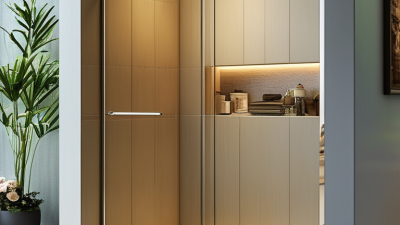
Sliding doors can transform a bathroom’s space and layout. They are ideal for tight areas. Unlike traditional doors, sliding doors don’t swing open. This creates more usable space. A well-placed sliding door can give the illusion of a larger room. It can enhance light flow as well.
Choosing the right type of sliding door is crucial. For instance, a frosted glass option ensures privacy while allowing light. Wooden doors, however, can add warmth and texture. If you have a modern bathroom, consider sleek, minimalist designs. Each choice affects the room's overall functionality.
Installing a sliding door may require professional help. Proper installation prevents future issues like misalignment. Reflecting on your layout is important. You want a door that complements your style but also serves practical needs. Regular checks on the door hardware can prevent wear and tear. Adjustments are often needed for long-term use.
Maintenance Tips for Keeping Your Sliding Door in Top Condition
Keeping your bathroom sliding door in top condition requires regular maintenance. Over time, dirt and debris can accumulate in the tracks. This buildup can lead to problems with movement. Make it a habit to clean the tracks weekly. A small brush or a vacuum attachment works well for this task.
Lubrication is another key aspect. A silicone-based lubricant applied to the rollers ensures smooth operation. Avoid using oil-based products as they can attract more dust. Regularly check the door alignment too. If the door is sticking or not closing properly, it may need adjustment.
Pay attention to the seals as well. These prevent water from leaking into the wall. Over time, they can wear out and require replacement. Inspect the seals every few months and replace them if any damage is visible. Small steps can save larger repairs later on. Keep your sliding door functioning properly and looking great with just a bit of effort.