2026 Top Bathroom Glass Door Trends for Global Buyers?
In the evolving world of interior design, bathroom aesthetics play a crucial role. As the demand for modern and functional spaces grows, "Bathroom Glass Door" trends are gaining prominence. Industry expert Dr. Lisa Hartman states, "The right glass door can transform a mundane bathroom into an elegant oasis." This insight highlights the significant impact these doors have on overall design.
The year 2026 is set to showcase innovative styles, materials, and technology in bathroom glass doors. Transparent designs ensure a spacious feeling, reflecting light throughout the space. Textured glass not only adds privacy but also incorporates a unique touch. However, the increasing popularity also raises questions about maintenance and longevity. Buyers must consider materials that resist moisture and wear for lasting value.
Attention to detail is vital. Color, finish, and hardware must complement the bathroom's theme. As trends evolve, it’s essential to stay informed and reflective. Are we truly prioritizing functionality alongside style? Understanding the balance between aesthetic appeal and practical use is crucial in making informed choices for a "Bathroom Glass Door.
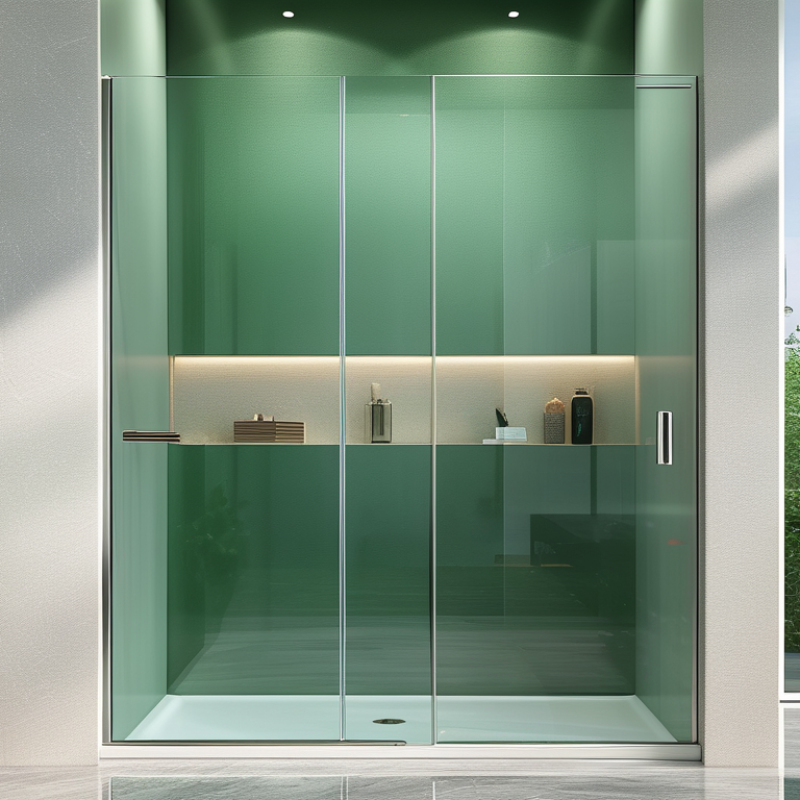
2026 Trends in Shower Doors: A Comprehensive Overview for Buyers
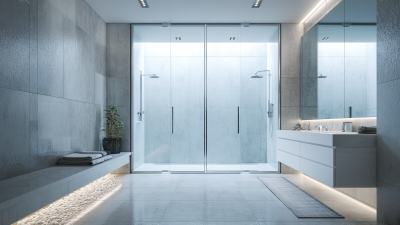
As we look ahead to 2026, shower door trends are evolving rapidly. Glass doors enhance the aesthetics and functionality of bathrooms. The shift towards minimalism continues to gain traction, with frameless designs becoming increasingly popular. These sleek options create an open, airy feeling in the bathroom space. Buyers are favoring clear glass over tinted varieties as it allows light to flow freely.
Another trend is the integration of smart technology. Touchless opening mechanisms and LED lighting are emerging features. They not only improve convenience but also add a modern touch. However, the complexity of these installations might deter some buyers. Understanding the technical aspects is crucial for a seamless experience.
Sustainability is also at the forefront. Eco-friendly materials and manufacturing processes are becoming essential for conscientious buyers. However, the range of options can be overwhelming, and decisions may sometimes be challenging. It's important to assess both aesthetic appeal and environmental impact before making a purchase.
Innovative Glass Designs for Modern Bathrooms in 2026
As modern bathrooms evolve, glass doors are taking center stage in design. In 2026, we expect to see a surge in innovative glass designs that enhance both functionality and aesthetics. According to industry reports, 68% of homeowners focus on modern styling when renovating bathrooms. This trend is largely driven by the desire for minimalistic and spacious environments.
Translucent and frosted glass doors will continue to gain traction. They offer privacy without compromising light flow. Reports indicate that 78% of buyers prefer glass doors for their sleek look and space-saving benefits. However, it’s important to recognize that while glass can visually expand a space, maintaining cleanliness may prove challenging. Consider using easy-to-clean coatings to mitigate water spots and grime.
Lighting plays a crucial role in showcasing glass doors. Strategic illumination highlights their beauty while contributing to the overall ambiance of the bathroom. Incorporating LED lights around the edges or above the door can create a soft, inviting glow. Remember to assess the layout carefully; poorly positioned lighting can lead to shadows and diminish the effect of your stylish glass installation.
Sustainable Materials in Bathroom Glass Doors: A Growing Trend
The demand for bathroom glass doors is shifting towards sustainable materials. Modern buyers increasingly prioritize eco-friendly options. According to a recent industry report, over 70% of consumers are willing to pay more for products made from sustainable sources. This indicates a significant trend in the market.
Many manufacturers are exploring recycled glass and sustainable timber in their designs. Recycled glass reduces waste and energy consumption during production. It allows for unique designs that add character to bathrooms. Sustainable timber sourced from responsibly managed forests provides durability while minimizing environmental impact.
Despite these positive trends, challenges remain. The costs associated with sustainable materials can be higher, which may discourage broader adoption. Additionally, sourcing reliable suppliers for these materials can be difficult. Overall, the push towards sustainability in bathroom glass doors shows promise, though hurdles still exist that stakeholders must navigate.
2026 Top Bathroom Glass Door Trends
This chart presents the popularity of various sustainable bathroom glass door materials expected in 2026, highlighting the increasing trend towards environmentally friendly options in home design.
Technological Advances Impacting Bathroom Glass Door Features
The bathroom glass door market is evolving rapidly, driven by technological advances. Smart technologies are now integrated into various designs. These innovations enhance user experience and functionality. For instance, some doors can adjust transparency with a touch of a button. This feature elevates privacy and allows more natural light in.
Safety is a growing concern for many. New tempered glass treatments increase durability and break resistance. The thickness of the glass plays a critical role here. Homeowners should consider adopting thicker glass for added safety. Additionally, a smooth edge finish can enhance both safety and aesthetics.
When choosing a bathroom glass door, consider different coatings. Anti-fog and water-repellent coatings can simplify maintenance. Ensure you research the installation process too. Proper installation can prevent issues later. Remember, it’s vital to weigh the pros and cons of every feature. Choices that seem perfect might not fit all spaces or lifestyles. Every detail can significantly affect functionality and style.
Customization Options for Glass Doors: Meeting Diverse Buyer Needs
The demand for customized glass doors is rising. According to a recent industry report, customization in home fixtures has grown by 25% in the past five years. Buyers seek unique designs that enhance their spaces. Custom glass doors provide that distinct touch, catering to individual tastes and preferences.
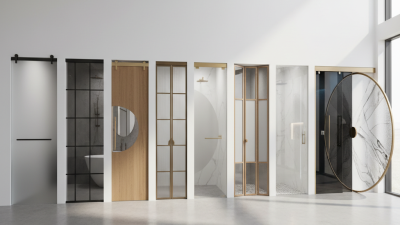
Customization options for glass doors include different thicknesses, finishes, and patterns. Manufacturers are now offering solutions that allow customers to choose from various glass types. This flexibility enables them to achieve the desired aesthetic effect. Interestingly, more than 70% of buyers are willing to pay extra for personalized options, revealing a shift in consumer priorities towards individuality in home design.
However, some challenges persist in the customization process. Lead times can be longer due to unique specifications. Additionally, quality control can be inconsistent. These issues require thoughtful consideration from both manufacturers and buyers. Addressing them will be crucial for enhancing satisfaction levels in a competitive market.